
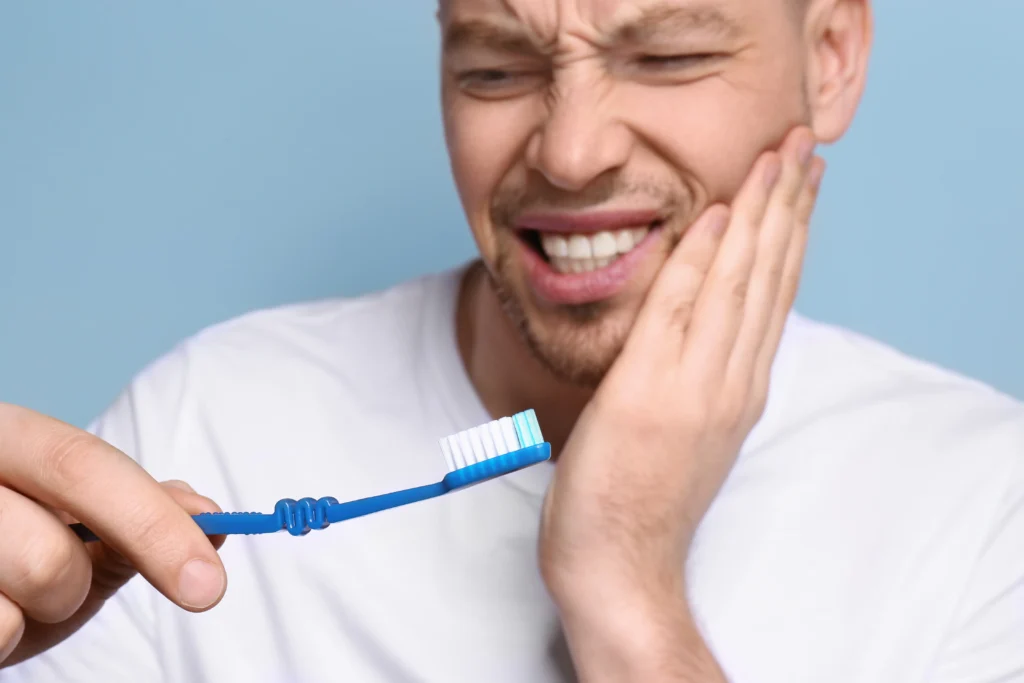
If you’ve got sensitive teeth, booking a hygiene appointment can feel like signing up for discomfort. You might even find yourself thinking, “I’ll just leave it another month or two.” And I get it. When cold air hurts, the idea of someone cleaning around your gumline isn’t exactly inviting.
But here’s the frustrating part: avoiding professional cleaning often makes sensitivity worse, not better. Plaque and tartar irritate gums, gums can recede further, and inflammation can expose more of the tooth surface. Then the next clean feels even more intense. It’s a cycle.
The good news is you’ve got options. Modern hygiene care isn’t a one-size-fits-all “power through it” situation. With the right approach, teeth cleaning for sensitive teeth can be comfortable, manageable, and, honestly, a relief afterwards.
Let’s go through what causes sensitivity, what a hygienist can do differently, and how you can prepare so the appointment doesn’t feel like a battle.
What does “sensitive teeth” usually mean?
Most everyday “sensitive teeth” is what clinicians call dentine hypersensitivitya sharp, short pain when teeth are exposed to triggers like cold, heat, sweet, sour, or touch.
It often happens when the protective enamel or gum coverage is reduced, and the underlying dentine is exposed. Dentine has tiny tubules that transmit sensation more easily. That’s why it can feel like an electric zing, even though the tooth isn’t necessarily “damaged” in the way a cavity is.
Common causes behind sensitive teeth
A review in the British Dental Journal and other clinical summaries highlight factors like enamel loss, gum recession, toothbrush abrasion, erosion, and periodontal issues as common contributors. In real-life terms, sensitivity often links to:
- Gum recession (exposed root surfaces).
- Brushing too hard (especially with a hard brush).
- Acidic diet/erosion (fizzy drinks, citrus, frequent sipping).
- Teeth grinding/clenching.
- Recent whitening.
- Gum disease or post-gum treatment sensitivity.
Why can teeth cleaning trigger sensitivity?
A hygiene cleaning usually focuses on removing plaque and tartar around the gumline and between teeth. If you’ve got exposed root surfaces, inflamed gums, or pockets that trap plaque, those areas tend to be the most sensitive.
Also, when tartar is removed, the tooth surface may feel “new” again. That can temporarily increase sensitivity, especially if gum recession is present. It is a known issue in periodontal cleaning contexts, which is why guidance discusses managing post-clean dentine sensitivity. The key is not to avoid cleaning. It’s to tailor the cleaning approach.
Teeth cleaning for sensitive teeth.
Here’s what you can ask for without feeling awkward about it.
1) A gentler clean (yes, this is a thing)
If you’re sensitive, you don’t always need the most aggressive approach. A good hygienist can:
- Spend more time with hand scaling on sensitive spots.
- Use lighter pressure and a slower pace.
- Focus on the areas that matter most first (so you feel progress without being overwhelmed).
Hand scaling can be comfortable for some patients, especially when sensitivity is localised.
2) Adjusted ultrasonic cleaning (low power settings and warm water)
Ultrasonic scalers can be brilliant for efficiency, but the vibration + water spray can trigger sensitivity. Options include:
- Lower power settings.
- Warm water (where equipment allows).
- Shorter bursts instead of continuous use.
- Combining ultrasonic for tougher tartar with hand scaling for sensitive zones.
If you’ve had a bad experience before, don’t assume it’ll be the same every time ask for modifications upfront.
3) Topical numbing gel (quick, simple, often enough)
Many clinics can apply a topical anaesthetic gel to sensitive gum areas before cleaning. It won’t numb like an injection, but it can take the edge off and reduce that “stingy” feeling. It is especially helpful if sensitivity is concentrated around the gumline.
4) Local anaesthetic (for sensitivity or deep cleaning)
A local anaesthetic may be the best option if you need deep cleaning (for gum disease or periodontal pockets). It’s common in periodontal treatment and can transform the experience from “white knuckle” to “totally manageable.” If you’ve avoided cleaning for years because of sensitivity, anaesthesia can be the bridge that gets you back into routine care.
5) Shorter, staged appointments
One long appointment can be too much physically and mentally when sensitivity is high. Staged options:
- Split cleaning into two visits (left side/right side).
- Do the worst area first, then review.
- Shorter sessions more frequently for a while.
This approach helps you build confidence and reduces post-clean soreness.
6) Desensitising treatments after the clean
If you’re prone to sensitivity after cleaning, professional desensitising products can help. SDCEP guidance (periodontal care) notes that at-home treatments like desensitising toothpaste should be tried initially, with professionally-applied desensitising agents considered for persistent sensitivity.
The most overlooked option: prepping at home before the appointment
Teeth cleaning for sensitive teeth gets easier because you’ve reduced sensitivity before you even sit in the chair.
Use a desensitising toothpaste consistently (not just once)
Most people try it twice and give up. Sensitive toothpastes often need regular use to build effect. Clinical guidance supports starting with at-home desensitising toothpaste as a first-line step.
Tip: Use it twice daily for at least 2 weeks before your hygiene visit. For extra help, you can rub a small amount onto the sensitive area with a clean finger and leave it (spit, don’t rinse).
Switch to a soft brush and calm technique.
Brushing harder doesn’t clean better it often causes more recession and abrasion over time (and more sensitivity later). Gentle, consistent cleaning wins.
Check your fluoride level.
The NHS advises adults to use toothpaste containing at least 1,350 ppm fluoride. Fluoride supports enamel strength and helps reduce decay risk around sensitive areas.
Avoid brushing straight after acidic food/drink.
If you sip citrus water or fizzy drinks, enamel can temporarily soften. Brushing immediately afterwards can worsen wear. Rinse with water and wait a bit if possible.
“I’m embarrassed my teeth haven’t been cleaned in ages”
It is more common than you think. And dental teams see it all the time. If it’s been a while:
- Tell the hygienist you’re sensitive.
- Ask for a gradual approach.
- Consider staged appointments and/or anaesthetic.
- Don’t apologise just be honest.
The aim is to get you to a place where cleans become routine, not traumatic.
What if sensitivity is actually something else?
Important: not all tooth sensitivity is dentine hypersensitivity. You should see a dentist if you have:
- Pain that lingers for minutes (not a quick “zing”).
- Pain when biting.
- Swelling, bad taste, or gum boils.
- Sensitivity in one tooth only, that’s worsening.
- Visible cracks or dark areas.
A cavity, cracked tooth, leaking filling, or gum infection can mimic sensitivity but needs different treatment. The HRA summary of dentine hypersensitivity notes the pain is usually sharp and short in duration and triggered by stimuli like cold, hot, sweet, sour, or touch if yours doesn’t fit that pattern, it’s worth checking.
Aftercare: how to stay comfortable after a sensitive clean?
A little tenderness after cleaning can happen, especially if tartar was heavy or gums were inflamed. What helps:
- Lukewarm water for rinsing at first.
- Avoid very cold drinks for 24 hours.
- Keep brushing gently (don’t stop stopping lets inflammation return).
- Continue desensitising toothpaste daily.
If the discomfort is sharp, worsening, or lasts longer than a week, check in with the clinic.
How often should you get teeth cleaned if you’re sensitive?
There’s no single number. Some people do well with 6-monthly hygiene visits; others (especially with gum issues) need more frequent maintenance. If your sensitivity is linked to gum recession or periodontal problems, more regular, gentler maintenance can actually reduce sensitivity long-term because inflammation settles and plaque levels stay low. Your best plan is the one you can stick to.
FAQs
1. Can a hygienist clean my teeth if they’re extremely sensitive?
Yes. Options include gentler techniques, shorter appointments, topical numbing gel, or local anesthetic for deeper cleaning.
2. Will cleaning make sensitive teeth worse?
It can temporarily increase sensitivity, especially if tartar is heavy. But long-term, it often helps by reducing gum inflammation and plaque build-up. Periodontal guidance will help to manage sensitivity after cleaning.
3. Should I use desensitising toothpaste before or after a cleaning?
Both. Clinical guidance allows the use of toothpaste before or after a cleaning as an initial approach.
4. What fluoride toothpaste should I use in the UK?
The NHS advises adults to use toothpaste with at least 1,350 ppm fluoride.
Final thoughts
If you’ve been avoiding the dentist because of sensitivity, you’re not alone but you don’t have to “just tolerate it.” Teeth cleaning for sensitive teeth can be adapted in really practical ways: gentler techniques, numbing options, shorter visits, and desensitising support. Start with a simple plan: prep at home with desensitising toothpaste, tell your hygienist exactly what you feel, and choose the cleaning approach that suits your sensitivity level. A comfortable clean is possible and once you’ve had one, future visits usually get easier, not harder.