
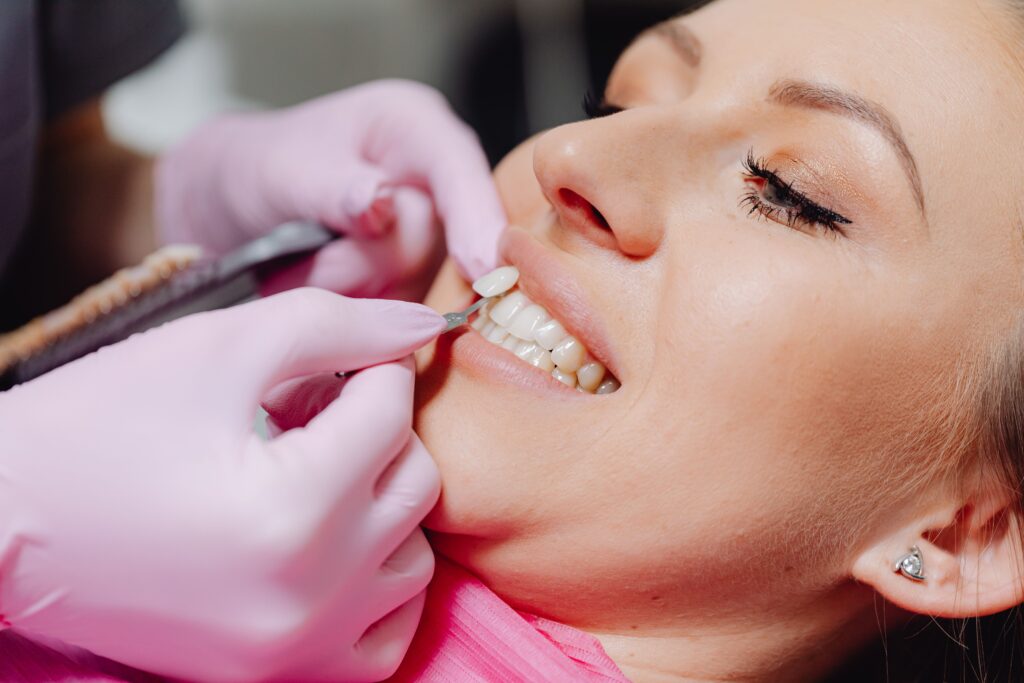
When you walk out of the dentist’s office with a brighter smile after teeth whitening. Coffee suddenly looks like a threat rather than a morning ritual. But a question sneaks in somewhere in the back of your mind. How long is this really going to last before teeth start looking back to their old colour?
It’s a fair question, and honestly, one that doesn’t get answered as clearly as it should. Whitening results vary a lot more than most marketing suggests, and understanding what genuinely affects your timeline can help you get far more value out of the treatment — and avoid disappointment six months down the line.
The Short Answer
Professional teeth whitening lasts from 6 months to 3 years, depending on your habits and the type of treatment used. Most people have it for 1 to 2 years with reasonable maintenance. But there’s no single rule that applies to everyone.
Let’s unpack why that range is so wide, and what actually determines where you’ll fall within it.
Why Professional Whitening Lasts Longer Than Store-Bought Options
Before we discuss the factors that affect longevity, it’s helpful to understand why professional whitening tends to work better than the over-the-counter options at first.
The bleaching agents in professional treatments are at a much higher concentration. Most often, these are hydrogen peroxide or carbamide peroxide that are applied under controlled conditions by a dentist or hygienist. This means it goes deeper and more evenly into the enamel than store-bought strips or gels, which is part of the reason why results are more dramatic and last longer.
What Affects How Long Your Whitening Results Last?
1. Your Diet and Drinking Habits
This is, without question, the single biggest factor. Certain foods and drinks are notorious for reintroducing staining compounds onto freshly whitened enamel.
Common culprits include:
- Coffee and tea
- Red wine
- Dark sodas and cola
- Berries and dark sauces (soy sauce, curry, tomato-based sauces)
- Tobacco products
The more frequently you consume these, the faster your results tend to fade. It’s not about eliminating them entirely — just being mindful, particularly in the first 48 hours after treatment when enamel is more porous and susceptible to staining.
2. Your Oral Hygiene Routine
Floss and brush regularly to remove surface debris before it has a chance to settle into your enamel. Any small change in your daily routine allows staining compounds and plaque to build up more quickly, silently degrading the longevity of your results.
3. Smoking and Tobacco Use
Tobacco is particularly aggressive when it comes to staining, and it tends to undo whitening results faster than almost anything else on this list. “If you really want to keep a brighter smile, cutting down tobacco use really does make a big difference.
4. The Type of Whitening Treatment Used
All professional whitening methods are not the same. Your choice will influence the immediate results and the length of time the results last.
- In-office whitening, where professionals use higher-strength bleaching agents applied under control, offers the most dramatic and fastest results.
- Take-home professional kits (custom trays with dentist-grade gel) often produce longer-lasting results than in-office treatment alone, since the gradual application tends to penetrate more evenly.
- Combination approaches — dentist or hygienist give take-home maintenance trays — frequently offer the best of both, delivering fast initial results with longer-term upkeep built in.
5. Your Natural Enamel and Genetics
Here too, individual biology plays a role, as it does for skin and hair. Some people’s enamel may be more prone to staining than others, or they just have a slightly more porous structure that allows the staining compounds to settle back in faster.
6. Age
Over time, the enamel naturally gets a little thinner, allowing the underlying dentin (a naturally yellow layer under the enamel) to show through more. It’s not that whitening doesn’t work for older patients — it absolutely can — but you may need more frequent touch-ups to maintain the same brightness over time.
7. Aftercare and Touch-Ups
Teeth whitening treatment requires more than one visit. Many people think it is a single visit and a bright smile for years. But the results can last a long time with regular maintenance. Regular touch-ups such as in-office touch-ups or periodic use of take-home trays can keep your smile bright for years.
Typical Timelines by Treatment Type
To make this a bit more concrete, here’s a general breakdown of what to expect from different professional whitening approaches.
In-Office Whitening
- Initial results: Prompt and dramatic
- Duration of results: six months to one year without the need for touch-ups
Take-Home Professional Trays
- Initial results: Gradual, over 1 to 2 weeks
- Duration of results: 1 to 2 years, particularly with periodic reapplication
Combination Treatment (In-Office Plus Take-Home Maintenance)
- Initial results: Immediate, with ongoing reinforcement
- Duration of results: Up to 2 to 3 years with consistent maintenance and good habits
How to Make Your Whitening Results Last Longer?
A few practical habits genuinely extend the lifespan of your results, without requiring drastic lifestyle changes.
- Use a straw to drink staining beverages like coffee, tea, or cola to lessen contact with your front teeth.
- Rinse with water after eating or drinking anything that will cause staining (especially in the first few days after treatment).
- Maintain a good routine of oral hygiene with brushing, flossing, and regular visits.
- Avoid smoking or tobacco use, or try to use them less often.
- Make a routine for teeth-whitening touch-ups with in-office appointments or take-home trays.
- Consider professional cleanings every six months; this helps remove surface buildup before it dulls your results.
Is It Normal for Whitening to Fade Gradually, Not All at Once?
Yes, completely normal. Whitening results rarely disappear overnight. Instead, they tend to fade gradually as new staining compounds accumulate and enamel slowly returns to its natural baseline shade. This is actually good news in one sense — it means regular small maintenance habits can meaningfully slow the process, rather than needing a full treatment redo the moment you notice any change.
When to Consider a Touch-Up
There’s no strict rule here, but a few signs suggest it might be time:
- You notice your teeth looking visibly duller compared to right after treatment
- It’s been 12 months or more since your last professional whitening session
- You’ve increased your consumption of staining foods or drinks recently
- You’re preparing for a specific event and want your smile at its brightest
Many practices offer smaller, quicker touch-up sessions rather than requiring a full treatment redo, which tends to be both faster and more affordable than starting from scratch.
Does Whitening Damage Enamel Over Time?
It is a common concern. Many people think and ask this question. Professional whitening is considered safe for enamel when done correctly and not excessively overused. Overuse or improper application (particularly with unsupervised, high-strength products) can occasionally lead to increased sensitivity or minor enamel concerns. A dentist can calibrate the concentration and frequency that is best for your teeth.
If you’re weighing whitening alongside other treatments, our guide on jet spray polish and why it gives you a deeper clean is worth a read. It pairs well with whitening by clearing surface stains before you go for teeth whitening.
Quick FAQ’s
Can I get my teeth whitened again after professional treatment?
Yes. Many people do this after some time when the results start to fade. Repeated visits are safe if properly spaced, under the supervision of a dentist.
Does whitening work on crowns, veneers, or fillings?
Not really. Whitening agents only work on natural tooth enamel, so existing dental work won’t lighten along with your natural teeth — worth mentioning to your dentist if you have visible restorations, since it may affect your overall result.
Is sensitivity after whitening normal, and does it affect how long results last?
Mild and temporary sensitivity is common. But it doesn’t affect longevity. It settles within a few days after the treatment as enamel readjusts.
Should I whiten before or after other dental treatments, like a cleaning?
A clean removes surface debris that can interfere with even whitening results. So many practices recommend a cleaning beforehand for the best outcome.
Final Thoughts
Professional whitening offers longer-lasting and more dramatic results than store-bought alternatives. But no one can guarantee it’s “permanent”. Most people can expect their results to last somewhere between 6 months and 2 years. But the exact number depends on diet, habits, treatment type, and a bit of individual biology.
According to the American Dental Association, maintaining whitening results long-term depends significantly on consistent oral hygiene and limiting exposure to staining foods and drinks, alongside periodic professional maintenance where appropriate.
The good news? A little mindfulness — a straw here, a rinse there, a touch-up every so often — goes a genuinely long way toward keeping that brighter smile around for as long as possible.