
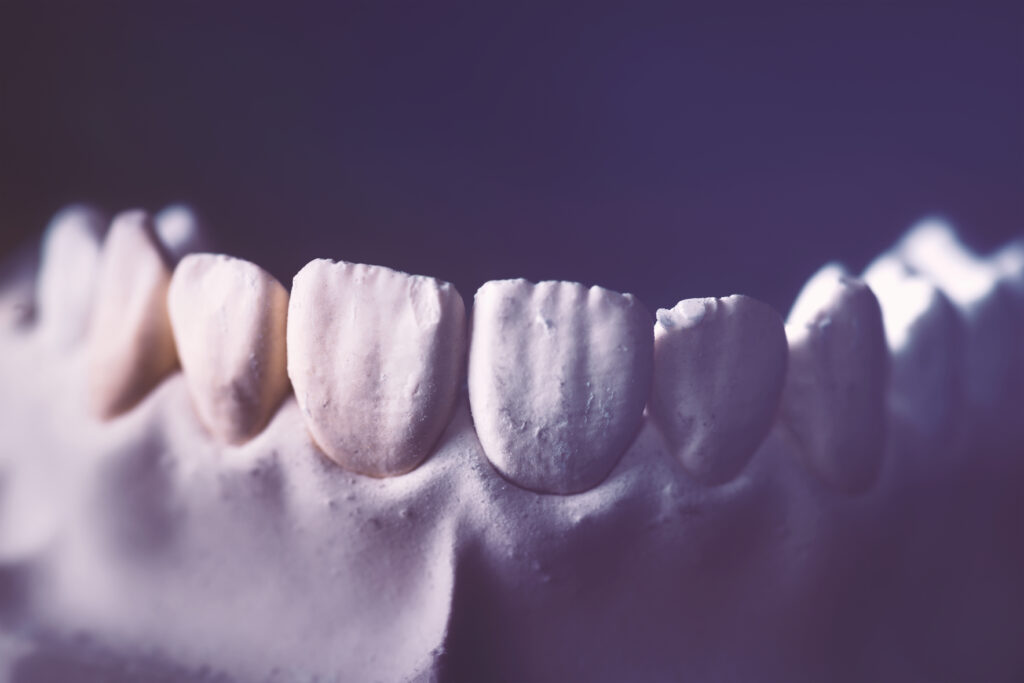
Many people use the phrase soft teeth when they are worried about weak enamel, easy chipping, constant sensitivity, or teeth that seem to wear down faster than they should. It is a very common way of describing a real problem.
So, can you be born with soft teeth?
Yes. But you can be born with inherited conditions that affect how your enamel or dentine forms, making it soft. These conditions cause teeth to be weaker, more fragile, more sensitive, or more prone to wear and decay. Two of the best-known examples are amelogenesis imperfecta, which affects enamel formation, and dentinogenesis imperfecta, which affects the dentine underneath. Cleveland Clinic describes both as genetic disorders that can make teeth weak, discoloured, brittle, or poorly protected.
That means the idea of being “born with soft teeth” is not just an old wives’ tale. It is an oversimplified phrase, yes, but it often points toward a genuine developmental issue.
What does “soft teeth” usually mean?
When patients say they have soft teeth, they are usually describing one or more of these problems:
- Teeth that chip or crumble easily
- Enamel that looks thin, patchy, chalky, or discoloured
- Ongoing tooth sensitivity
- Cavities despite good brushing habits
- Teeth that wear down faster
- Translucent or uneven teeth edges
- A family history of weak or damaged teeth
Soft teeth is a symptom phrase, not a diagnosis. Dentists look deeper and ask: is the problem with the enamel, the dentine, mineralisation, wear, acid erosion, grinding, or something inherited?
Yes, genetics can play a role.
Teeth are formed through a complex biological process. Enamel, dentine, minerals, and tooth structure all need to develop properly at the right time. If certain genes involved in tooth development are altered, the finished tooth may not be as strong or as well-formed as it should be.
One of the clearest examples is amelogenesis imperfecta. This is a rare genetic disorder that causes problems with the formation of tooth enamel. In some people, not enough enamel forms. In others, enamel forms, but it is not as strong as it should be. That can leave teeth discoloured, sensitive, and more vulnerable to damage and decay.
NHS genomic guidance also recognises amelogenesis imperfecta as an inherited condition involving significant abnormalities in enamel quality and/or quantity affecting most or all teeth in both the primary and permanent dentitions.
Another inherited condition is dentinogenesis imperfecta. This affects dentine, the layer beneath the enamel. This condition can make teeth weak, brittle, and discoloured. So even if the issue is not technically “soft enamel,” the tooth can still be structurally compromised from within.
So yes, you can absolutely be born with teeth that are weaker than average because of genetics. That said, the story does not end there.
How Genetics Affects Tooth Development?
Genes can control enamel formation and how minerals like calcium and phosphate are deposited. If those genes do not function properly, the enamel layer may be:
- Thinner than normal
- Poorly mineralised
- Uneven or pitted
- More fragile under pressure
Dentine, the layer beneath enamel, can also be affected. If dentine is weak, even normal enamel may not be well supported. This explains why some individuals experience recurring dental problems from a young age, even when their oral hygiene is good.
Genetic Conditions Cause Weak Teeth
Amelogenesis Imperfecta
It affects enamel formation, and teeth can appear yellow or brown. The enamel does not fully cover the dentine underneath. People with it may have thin enamel, discoloured, sensitive teeth or be prone to breaking easily.
Dentinogenesis Imperfecta
People with this condition have translucent or slightly grey-blue teeth. It affects dentine (which is beneath enamel) and the strength of the tooth. Teeth are more prone to fracture and may not handle normal biting pressure.
Developmental Defects
Some people have enamel development defects due to factors like illness in early childhood or nutritional issues. Molar-incisor hypomineralisation is an example of a developmental defect, where the enamel is softer and more porous. This can lead to sensitivity and breakdown.
Signs That Show You Have Naturally Weak Teeth
The signs are easily noticeable, especially when patterns repeat with multiple teeth.
- Teeth that chip or wear easily
- Persistent sensitivity to hot, cold, or sweet foods
- Teeth discolouration (even with good oral hygiene)
- Cavities (frequent and more than one)
- Enamel surfaces feel rough or uneven
- Discomfort while brushing
- Similar issues are present in family members
These signs may appear soon in children after their teeth erupt. Parents may notice that baby teeth look different from expected or that brushing causes discomfort.
Why It Is Not Always About Poor Care?
One of the biggest misconceptions is that weak teeth are always the result of poor oral hygiene. While brushing and diet play a major role in dental health, they are not the whole story. Genetics can set the baseline for how strong or vulnerable teeth are. Someone with naturally strong enamel may tolerate occasional lapses without major damage.
Someone with weaker enamel may experience problems even with consistent care. This does not mean oral hygiene does not matter. It simply means some people need extra protection and attention.
Lifestyle Factors That Can Make Things Worse
Some people are born with inherited enamel or dentine disorders. Others develop enamel defects for non-genetic reasons during tooth formation. These may include:
- Acid erosion from fizzy drinks or acidic foods
- Tooth grinding
- Poor oral hygiene
- Dry mouth
- Frequent sugar eating
- Childhood illness
- Certain medications
- Poor hydration
- Inconsistent oral hygiene routines
Molar-incisor hypomineralisation (MIH) affects enamel quality and can make teeth look chalky, sensitive, and crumbly. Newcastle Hospitals says MIH affects around one in eight children in the UK and can leave enamel poorly formed, more sensitive, and more prone to breakdown and decay.
Can Weak Teeth Be Strengthened?
This is a common question, and the answer is both yes and no. You cannot change the structure of enamel once it has formed. Dentists often recommend:
- Fluoride applications
- Fissure sealants
- Bonding or fillings
- Composite restorations
- Crowns
These treatments do not “fix” the genetic issue, but protect the teeth, improve function, and strengthen weak areas.
Can children really show signs this early?
Yes. A parent may notice that a child’s teeth look yellowish even though they are clean. Or the child may complain that brushing hurts. In some cases, the teeth can look smaller, rougher, or more worn than expected. With conditions affecting both baby teeth and adult teeth, the pattern can continue as the child grows. Early intervention can help protect developing teeth. A proper assessment usually includes:
- Clinical examination
- Dental history
- Family history
- X-rays if needed
In some cases, referral to a specialist may be recommended.
Daily Habits to Protect Naturally Weaker Teeth
Even when genetic conditions exist, daily habits can help, such as:
- Brush twice with fluoride toothpaste
- Use a soft-bristle toothbrush
- Limit sugary snacks
- Avoid acidic drinks
- Drink plenty of water
- Regular dental check-ups
How Saliva Can Help Protect Your Teeth?
Saliva can protect your teeth and gums. It washes away food particles, bacteria, neutralises acids, and supports enamel repair. If saliva flow is reduced, teeth are more prone to decay and sensitivity. Drinking plenty of water and treating dry mouth symptoms can help to protect your mouth.
Emotional and Psychological Affect
There is also a personal side to this issue. People with weak or discoloured teeth often feel anxious about their smile. Children may feel embarrassed at school. Adults may hesitate in social or professional situations.
It is important to recognise that these feelings are valid. Dental appearance and comfort affect confidence more than most people realise. Modern dentistry can help to improve both.
When Should You See a Dentist
You should book an appointment if:
- Have sensitive teeth
- Have frequent cavities
- Teeth chip or wear easily
- Notice unusual discolouration
- The child shows early signs of enamel problems
- There is a family history of similar issues
Early advice can prevent long-term complications.
Conclusion
So, can you be born with “soft teeth”?
The answer is yes. While “soft teeth” is not the clinical term, some people are born with inherited conditions that affect enamel or dentine development, leaving their teeth weaker, more brittle, more sensitive, or more vulnerable than normal. Conditions like amelogenesis imperfecta and dentinogenesis imperfecta are real examples of this.
But not every case of weak or sensitive teeth is genetic. Developmental enamel defects, acid wear, dry mouth, diet, and grinding can all play a role, too. That is why proper diagnosis matters. The key takeaway is simple: if teeth have seemed fragile from the beginning, if multiple teeth are affected, or if there is a strong family pattern, do not ignore it. Get it checked.
Because sometimes the answer is not that someone has “bad teeth.”
Sometimes they were simply born needing better protection.