
Dental implants can do more than transform a smile. They can restore confidence, improve chewing, and help patients feel comfortable speaking and laughing again. Still, before treatment starts, one question usually comes up fast: how long does recovery take?
That is a sensible question. When people look into Dental Implants London treatment, they are not only thinking about the final result. They also want to know how much discomfort to expect, how long healing lasts, and what they should do after surgery to protect the implant.
Initial recovery is usually fairly quick. Most patients feel much better within a few days. Complete healing, however, takes longer because the implant needs time to bond with the jawbone. That deeper process is what gives dental implants strength and stability.
What Happens After a Dental Implant Is Placed?
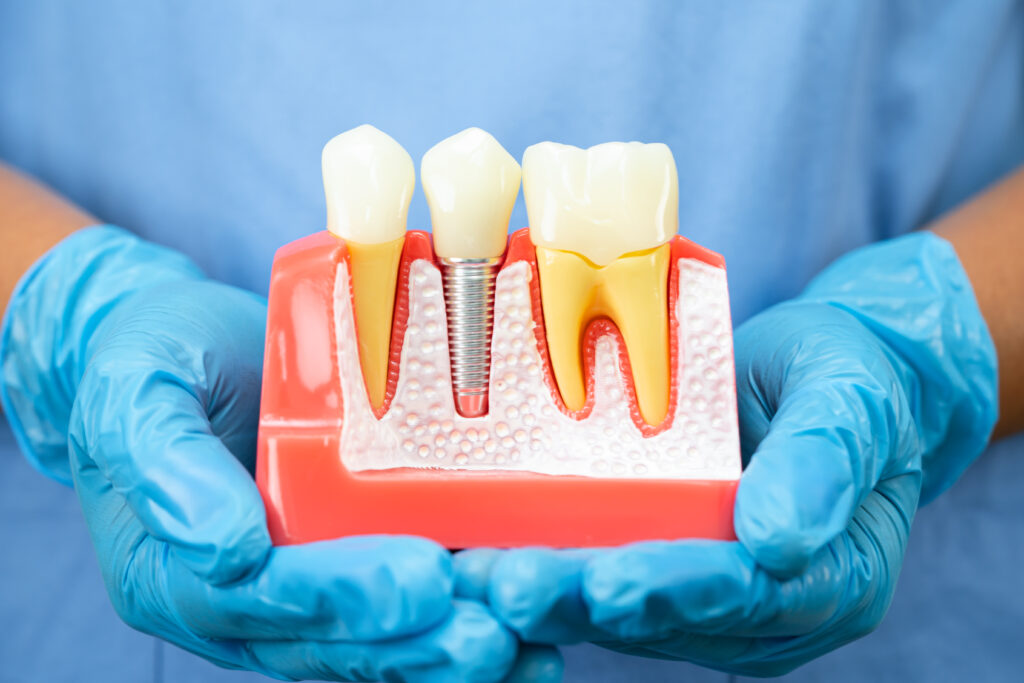
A dental implant is a small titanium post placed into the jawbone to replace the root of a missing tooth. When a dental implant is placed in position, the surrounding tissue starts healing. First, the gums will recover, and then the bone underneath slowly attaches to the implant. This process is called osseointegration.
In dental implants, healing is not just about the gum looking better on the outside. It is also about creating a firm foundation for the crown, bridge, or denture placed later. If healing goes well, the implant becomes stable and functions much like a natural tooth root. The implant needs time, protection, and good oral hygiene to settle properly.
How Long Does Recovery Usually Take?
Recovery can vary from one patient to another. The healing time may depend on your health and the number of implants placed. It also depends on whether you had a tooth removed or bone grafting was needed before or during the procedure. The average timeline looks like this:
First 24 to 72 hours
This is when swelling, tenderness, and slight bleeding are most likely.
First 7 to 14 days
The gums start healing well, discomfort eases, and stitches may dissolve or be removed.
Two to 12 weeks
The area becomes more comfortable, but deeper healing is still happening.
Three to six months
The implant gradually integrates with the jawbone and becomes ready for the final restoration in many cases.
Some patients heal more quickly. Others need longer, especially if the treatment was more complex.
Stage One: The First 24 Hours
The first day after implant placement is the most sensitive stage. Mild bleeding, tenderness, swelling, and a dull ache are all common. Your body has just been through a minor surgical procedure, so it needs calm conditions to begin healing. During these first hours, resting is important. Avoid touching the implant area with your tongue or fingers.
Use any gauze your dentist provides exactly as instructed. If recommended, a cold compress placed gently on the outside of the face can help reduce swelling. Food and drink choices matter too. Stick to soft foods and cool or lukewarm drinks. Avoid eating crunchy or hard food, very hot meals, alcohol and smoking.
Stage Two: Days Two to Seven
By the second or third day, swelling may peak before it starts to come down. Some patients also notice mild bruising around the cheek or gum. It can look a little alarming, but it is often normal. The area may still feel tender, especially during eating or brushing, but it should gradually settle. If pain becomes stronger each day rather than weaker, that should be checked.
Soft foods are still best during this stage. Yoghurt, soup, eggs, porridge, soft pasta, mashed vegetables, rice, and soft fish are usually easier to manage. Avoid putting too much pressure on the implant site while the gums are still healing.
Stage Three: Weeks Two to Six
This is often the stage where patients start to feel almost normal again. The gum may look healthier, daily discomfort is usually minimal, and speaking or eating often feels easier. Even so, healing is not finished.
What you can see in the mirror and what is happening under the surface are not always the same thing. The gums may have improved nicely, but the implant still needs time to become secure within the bone.
That deeper healing stage is critical. Because the area feels better, some patients become less careful at this point. They go back to hard foods too early, forget follow-up advice, or slip with oral hygiene. Feeling fine does not always mean the implant is stable.
Stage Four: Osseointegration
Osseointegration is the stage that makes dental implants work so well long term. During this period, the bone grows around the implant and holds it firmly in place. Without this process, the implant would not have the foundation needed to support a replacement tooth. This stage often takes three to six months, although timings vary.
Bone density, general health, and smoking habits can impact the healing of a dental implant. Patients do not usually feel osseointegration happening, which is why follow-up appointments are important. A properly integrated implant is far more likely to deliver a stable, lasting result.
Is Dental Implant Recovery Painful?
This is one of the most common concerns linked to Dental Implants in London. The truth is that recovery is usually more manageable than people expect. Most patients describe it as soreness, tenderness, or pressure rather than severe pain. The strongest discomfort is often in the first couple of days and then gradually improves.
Standard pain relief recommended by your dentist is often enough. If multiple implants are placed, or if bone grafting is involved, the area may feel more tender for longer, but the pattern should still improve with time.
Severe pain, worsening swelling, or a bad taste in the mouth can point to a problem and should be reviewed professionally.
What Should You Eat After Surgery?
Good options include:
- Yoghurt
- Smoothies
- Soup
- Scrambled eggs
- Mashed potatoes
- Porridge
- Soft pasta
- Rice
- Soft fish
- Cottage cheese
Foods to avoid include nuts, crisps, crusty bread, chewy meat, very spicy meals, and hot drinks straight after surgery. It is also wise to avoid chewing directly on the treated side until your dentist confirms it is safe.
Aftercare Tips That Really Help
A few sensible habits make recovery smoother and reduce the chance of complications.
Keep the mouth clean.
Follow your dentist’s advice and brush gently. Cleanliness matters, but the implant site should be treated with care.
Get proper rest
Your body heals better when it is not overworked. Avoid heavy exercise for the first few days unless your dentist advises otherwise.
Do not smoke
Smoking can slow healing and increase the risk of implant failure. Even a temporary break from smoking can help with recovery.
Attend check-ups
Review appointments allow your dentist to monitor healing and spot issues early.
Follow diet advice
Soft foods are not just easier to eat. They also protect the implant while it is vulnerable.
What Can Slow Healing Down?
Not everyone heals at the same pace. Certain factors can increase the chance of delays or complications. These include smoking, gum disease, uncontrolled diabetes, poor oral hygiene, teeth grinding, low bone density, and more complex surgery. This is why treatment planning matters. An experienced implant dentist will assess your gums, bone, bite, and medical history before treatment begins.
Warning Signs to Watch For
Some symptoms need prompt advice from your clinic. Contact your dentist if you notice:
- Severe pain that worsens after a few days
- Persistent bleeding
- Swelling that increases significantly after day three
- Fever or signs of infection
- Pus around the implant area
- A loose feeling in the implant
- Difficulty opening the mouth or swallowing
It is always better to ask early than leave an issue left untreated for long.
Dental Implants AfterCare
Dental implants need care even after they are fully healed and the final crown is fitted. Dental implants cannot decay like natural teeth. Good oral habits can keep them clean and their surrounding gum and bone healthy.
- Brushing twice daily.
- Cleaning carefully around the implant.
- Using interdental brushes or floss (where recommended).
- Attending regular hygiene visits.
- Going for routine dental check-ups.
- Avoiding chewing ice or using teeth as tools.
Implants can last for many years and more with good care.
Final Thoughts
Dental implants are more than appearance. It restores everyday comfort, function, and confidence. Recovery is part of treatment, and understanding the process makes it easy to manage the discomfort and pain. The first few days are about managing swelling and protecting the site. The following weeks focus on soft tissue healing. Then comes the deeper bonding stage, where the implant integrates with the jawbone and becomes strong enough to support the final restoration.
Once the implant has fully integrated, the result can be secure, natural-looking, and long-lasting. If you are preparing for implant treatment, follow the advice you are given and protect the area. At the same time, it heals and gives the process enough time. A calm, careful recovery often leads to the strongest outcome.