
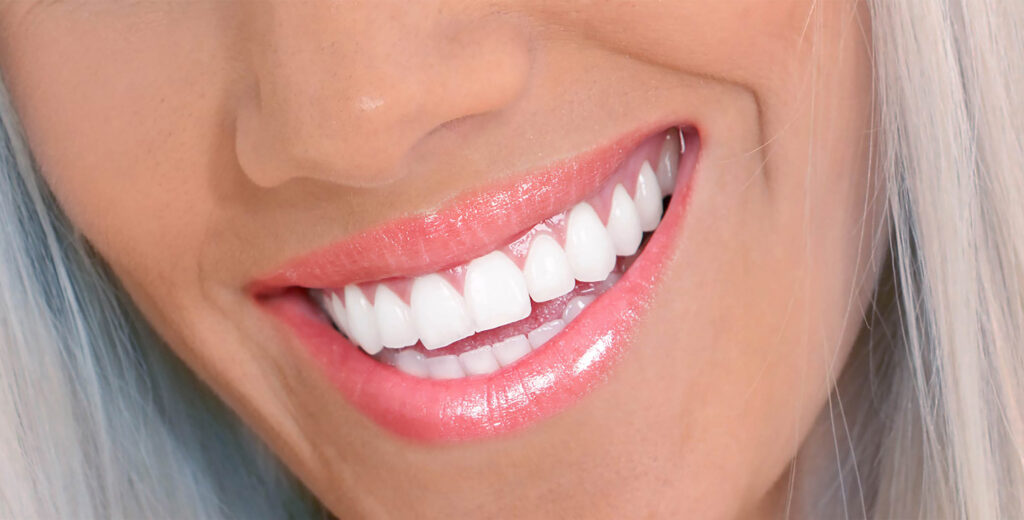
A bright smile can make a surprising difference in how we feel about ourselves. When teeth look clean and white, people often feel more confident speaking, smiling, or even laughing in photos. Because of this, teeth whitening has become one of the most requested cosmetic dental treatments worldwide. But despite its popularity, many people still wonder: can anyone get teeth whitening?
The short answer is not always. While many people are suitable candidates, teeth whitening is not the right option for everyone. Your oral health and the type of staining you have. Whether you have dental restorations, they all play an important role in determining whether whitening will work well for you.
Understanding who is a good candidate — and who may need to consider other options — helps ensure you get the safest treatment and the most natural-looking results. In this guide, we’ll explain how teeth whitening works, who benefits most from the treatment, and when whitening might not be recommended.
What Is Teeth Whitening?
Teeth whitening is a cosmetic dental procedure designed to lighten the colour of natural teeth. The dentist uses whitening agents (such as hydrogen peroxide or carbamide peroxide) to whiten teeth. It breaks down stains within the enamel and dentine layers of the teeth. Teeth can become darker or yellower due to everyday habits, ageing, or certain foods and drinks. Whitening treatments can help remove or reduce these stains, making teeth brighter and more refreshed.
Teeth whitening only affects natural teeth. Whitening treatment does not change the colour of dental restorations such as crowns, veneers, bridges, or white fillings. This factor alone can sometimes influence whether someone is a suitable candidate. Professional whitening treatments provided by dentists are typically stronger and more controlled than over-the-counter options, allowing for safer and more predictable results.
Why Do Teeth Become Discoloured?
The natural colour of teeth is off-white, not bright white, and their shade can change with time. Many factors can cause discolouration of teeth.
Understanding these causes helps you know whether whitening is good for you or not. Many things can cause tooth staining, such as:
Food and drinks
Coffee, tea, red wine, and dark-coloured foods like berries and curries can stain teeth gradually.
Smoking and tobacco
Nicotine can cause yellow or brown stains on the enamel of teeth.
Ageing
The enamel on teeth slowly becomes thinner as we age. It will expose the underneath dentine layer, which is naturally darker.
Poor oral hygiene
Plaque and tartar buildup can cause teeth to be dull or stained.
Medications
Certain antibiotics and medical treatments may cause staining.
Tooth injury or trauma
A damaged tooth causes changes in the tooth structure, which may cause it to look darker.
Some stains are only on the surface of teeth, but others may develop deeper. Surface stains are easily removed by whitening, but deep stains may be more difficult.
Who Is a Good Candidate for Teeth Whitening?
People with mild to moderate staining often see the best results from whitening treatments. You may be a good candidate for teeth whitening if:
- You have healthy teeth and gums.
- You have natural teeth without many visible restorations.
- Your staining is caused by food, drinks, smoking, or ageing.
- You have realistic expectations about the results.
- You want a brighter smile without invasive dental procedures.
Many people fall into this category. If your teeth are structurally healthy and you simply want to improve their appearance, whitening may be a very effective option.
Types of Stains That Respond Best to Whitening
Not all stains respond equally to whitening treatments. Some types are easier to treat than others.
Yellow Stains
Yellow-toned teeth usually respond very well to whitening. These stains are often caused by ageing, diet, or smoking.
Surface Stains
Stains that sit on the outer enamel layer tend to lighten more easily.
Mild to Moderate Discolouration
If the staining is not extremely dark or deep, whitening treatments typically produce noticeable improvements.
Grey or bluish discolouration may be more resistant and may require alternative cosmetic treatments.
Who May Not Be a Suitable Candidate for Teeth Whitening?
Although whitening works well for many people, there are situations where it may not be recommended.
People With Untreated Tooth Decay
Dental problems should always be treated before teeth whitening. If you have cavities, whitening gel can enter the damaged areas of the tooth. It may cause pain or sensitivity.
People With Gum Disease
Healthy gums are essential for whitening treatment. If your gums are inflamed, bleeding, or infected, your dentist will usually recommend treating the gum disease first.
People With Dental Restorations
Whitening does not change the colour of crowns, veneers, or fillings. If these restorations are visible when you smile, whitening teeth is not a good option for you. It could result in uneven colouring and make your smile unpleasant.
People With Very Sensitive Teeth
Some people have very sensitive teeth. Whitening treatments can increase sensitivity (temporarily). So people with severe sensitivity may need alternative options or special care.
Pregnant or Breastfeeding Women
Women during pregnancy or breastfeeding should not go for teeth whitening.
Younger Patients
Teeth whitening is usually recommended for adults or older teenagers once their teeth have fully developed.
Can You Whiten Teeth If You Have Sensitive Teeth?
Many people worry about sensitivity when considering teeth whitening.
But it does not mean whitening is impossible in people with
sensitive teeth. Dentists will make some adjustments in treatment for sensitive teeth by:
- Using lower-strength whitening gels.
- Reducing treatment time.
- Recommending desensitising toothpaste.
- Gradually increasing whitening exposure.
Professional supervision can help minimise discomfort and ensure the process remains safe.
Professional Teeth Whitening vs Store-Bought Products
Many whitening products are available in shops and online, such as toothpastes, strips, and whitening pens. These may help with minor surface stains, but they usually produce limited results compared with professional treatments.
Store-bought whitening products
- Lower concentration of whitening ingredients.
- It may take longer to produce results.
- Often provides subtle improvements only.
Professional whitening treatments
- Higher-strength whitening agents.
- Custom treatment plans.
- Faster and more noticeable results.
- Supervised by dental professionals.
Because of these differences, many people consider professional whitening as the most effective option for achieving improvements safely.
When Teeth Whitening May Not Be the Best Option
Sometimes, teeth whitening is not suitable for people. They need another cosmetic dental treatment to provide better results. For example:
- A single dark tooth may need internal whitening or restoration.
- Teeth with multiple fillings may get better results from bonding or veneers.
- Uneven tooth shapes may require cosmetic contouring.
A dental consultation can help determine whether whitening is the most suitable treatment for your smile.
What Happens Before Teeth Whitening?
Before starting teeth whitening, a dentist will usually examine your teeth and gums to make sure treatment is suitable. They may look at:
- Your oral health.
- Whether you have gum disease.
- Existing fillings, crowns, or veneers.
- The type and cause of staining.
- Any signs of sensitivity or enamel wear.
- Whether another cosmetic treatment may be better.
This step is often overlooked by people who buy whitening products online. Not all discolouration responds in the same way, and a personalised approach is far more likely to give a good outcome.
Managing Expectations: What Whitening Can and Cannot Do
Teeth whitening can dramatically improve the appearance of a smile, but it is important to have realistic expectations. Many people think teeth whitening is magic. But it has some limitations too. Whitening can remove many stains and lighten tooth colour. But it does not change the colour of crowns or veneers. It can not repair damaged teeth or permanently prevent future staining. Results may vary depending on the shade of your teeth and the cause of the discolouration.
How to Maintain Teeth After Whitening Treatment?
Certain habits can help keep them bright for longer.
Helpful tips include:
- Brush twice daily with fluoride toothpaste.
- Floss or clean between teeth regularly.
- Limit coffee, tea, and red wine, as they cause staining.
- Avoid smoking or tobacco products.
- Rinse your mouth after eating dark-coloured foods.
- Regular dental check-ups and hygiene visits.
Good oral hygiene can help you keep the whitening results lasting longer.
Final Thoughts
Teeth whitening can be an excellent way to improve your smile. But it isn’t the right solution for everyone. A good candidate for teeth whitening is one who has healthy teeth and gums. People with mild to moderate yellow staining achieve the best results. But, whitening is not a good option for people with untreated dental problems, severe sensitivity, or visible dental restorations. They may need an alternative cosmetic treatment.
Consult a dental professional if you are considering teeth whitening. They will tell you whether whitening is suitable for you or not. The dentist will see if your teeth and gums are healthy. And address any underlying issues. A good dentist will help you choose the best way to achieve a brighter smile. Whiteness will make a confident smile — healthy teeth, good oral care, and choosing the treatment that works best for you.