
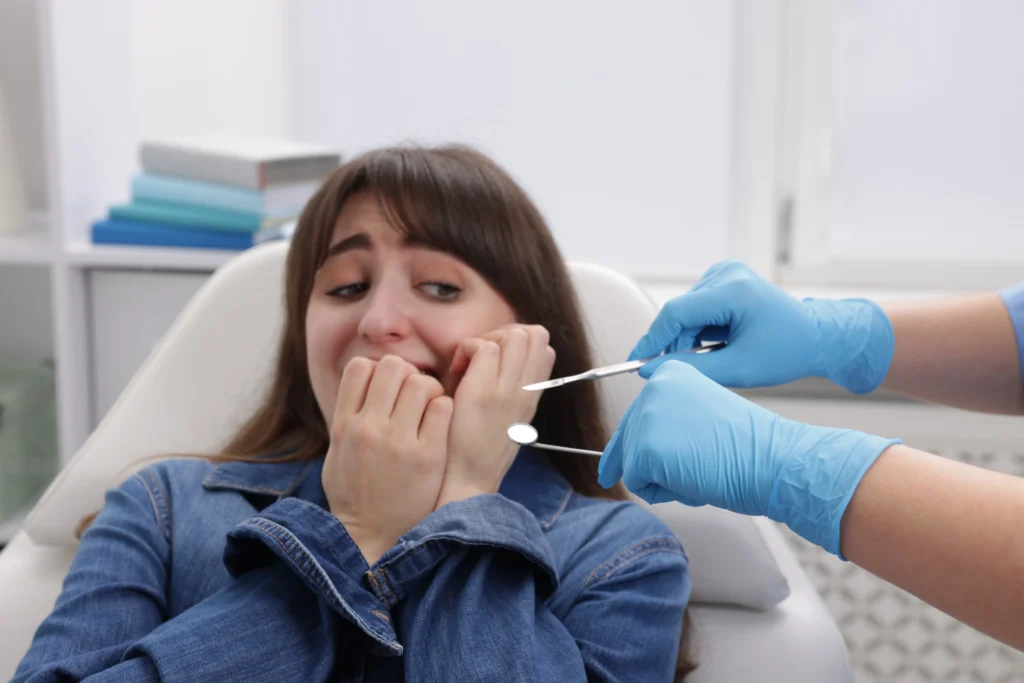
If you’ve got sensitive teeth, you already know the vibe. One sip of something cold and your mouth goes, Absolutely not. Even a deep breath on a winter morning can feel personal.
So it’s completely fair to ask: Is stain removal safe for sensitive teeth? Or is it going to leave you regretting everything the moment you step out of the dental chair?
Here’s the reassuring truth: professional stain removal is usually safe for sensitive teeth but it needs the right approach. The key is telling your dentist or hygienist upfront, so they can adapt the method, the tools, and even the pace of the appointment. Sensitive teeth aren’t rare. A good clinician deals with this all day.
Let’s walk through what sensitivity really means, what stain removal involves, why it sometimes feels”zappy”, and how to keep you comfortable before, during, and after your visit.
First: what causes sensitive teeth?
Tooth sensitivity isn’t one single condition. It’s a symptom and the cause matters, because it affects what’s safe and what needs extra care.
Common causes of sensitivity
- Gum recession (exposes the tooth root, which is less protected than enamel).
- Enamel wear (from brushing too hard, acid erosion, grinding, or age).
- Exposed dentine (tiny tubules that transmit sensation quickly).
- Recent whitening (temporary sensitivity is common).
- Plaque build-up near the gumline (can inflame gums and expose sensitive areas).
- Cracked tooth or tooth decay (often sharp, localised sensitivity).
- Gum disease (can cause tenderness and sensitivity).
If your sensitivity is new, severe, or focused in one area, that’s worth mentioning — because the cause might not be “normal sensitivity” and could need treatment.
What is professional stain removal, exactly?
Stain removal removes surface staining (extrinsic stains) caused by things like:
- Tea and coffee.
- Red wine.
- Smoking or vaping.
- Spicy foods, curries, and dark sauces.
- Plaque and tartar that trap colour.
It usually happens during a hygiene appointment and may include:
- Scaling (removing tartar).
- Polishing (smoothing surface stains).
- Airflow stain removal (fine powder + air + water to lift stains).
It’s not teeth whitening stain removal cleans the outer layer; whitening changes the internal shade.
Is stain removal safe for sensitive teeth?
In most cases, yes stain removal is safe for sensitive teeth. What changes is how it’s done. A dental hygienist (or dentist) can adjust the treatment to reduce discomfort. They can use hand scaling instead of ultrasonic tools, warm water, and lower ultrasonic power. Choose a gentler polishing paste, and can split the session into shorter appointments.
Why can stain removal feel more sensitive for some people?
Even when stain removal is gentle, sensitive teeth can react because:
1) Cold water + exposed dentine
Ultrasonic scalers often use water. If you have gum recession or exposed root surfaces, they can feel sharp. Many clinics can use warmer water settings.
2) Inflamed gums
If gums are irritated or bleeding, cleaning can feel more tender initially but it often improves after plaque and tartar are removed.
3) Tartar near the gumline
Removing hardened tartar around sensitive areas can cause short-term sensitivity. The good news? Once it’s gone, symptoms often settle.
4) “Clean teeth feel different.”
Sometimes teeth feel more sensitive simply because plaque layers have been removed. Plaque is not “protection” in a healthy way but removing it can make teeth feel different for a few days.
Which stain removal method is best for sensitive teeth?
There is no perfect method, but these work best for sensitive teeth:
Scale and polish (traditional)
Pros:
- It uses hand scaling and is done slowly and carefully.
- A hygienist can avoid pressure on sensitive spots.
Cons:
- Ultrasonic scaling can feel sharp if roots are exposed.
- Polishing paste can irritate sensitive areas if overused
Airflow stain removal
Pros for sensitive teeth:
- Often feels gentler than heavy polishing for surface stains.
- Great for stain removal around gumlines and between teeth.
- It can be less “scrubby” than polishing.
Cons:
- Some people find the airflow sensation odd.
- If gums are very inflamed, it can feel uncomfortable.
- Not always ideal for severe recession without careful technique.
Many sensitive patients actually prefer Airflow when done correctly but the clinician should assess your gums and recession first.
What can your hygienist/dentist do to keep you comfortable?
If you tell the team you’ve got sensitive teeth, they can usually make a big difference with simple tweaks.
Comfort options during stain removal
- Topical numbing gel on sensitive gum areas.
- Use warm water and lower ultrasonic power.
- Short breaks during treatment.
- Use hand scaling.
- Desensitising paste is applied during and after cleaning.
- Split one long visit into two shorter visits.
And yes, you can absolutely raise your hand and ask them to pause. You’re allowed to be in control of your own mouth.
What can you do before your appointment?
A little prep canreduce sensitivity noticeably.
7–10 days before stain removal
- Use a toothpaste for sensitive teeth (daily, not just once).
- Brush gently with a soft brush (electric brushes are great if you don’t press hard).
- Avoid aggressive “whitening” toothpastes many are abrasive.
- If you grind your teeth, mention it (wear increases sensitivity).
24 hours before
- Avoid very acidic drinks (energy drinks, citrus shots) if possible.
- Don’t do at-home whitening right before a hygiene visit.
What to expect after stain removal (and how long sensitivity lasts)?
Most sensitivity after professional stain removal is temporary.
- First 24 hours: mild “zing” with cold drinks is common.
- 2–3 days: sensitivity usually reduces significantly.
- Up to 1 week: some people with recession take longer, especially if tartar build-up was heavy.
If sensitivity is getting worse after a week, or you have sharp pain in one tooth, book a review that can point to decay, a crack, or gum issues.
Aftercare tips (to calm sensitivity quickly)
These are simple, but they work.
- Keep using sensitive toothpaste.
- Avoid very cold drinks for 24–48 hours (or use a straw).
- Avoid brushing hard “because it feels cleaner”.
- Don’t brush immediately after acidic foods/drinks wait 30 minutes.
- Use fluoride mouthwash at a different time from brushing (not straight after).
If you’ve had a desensitising varnish applied, follow your dentist’s instructions (sometimes they’ll advise avoiding very hot food for a short period).
When is sensitivity a red flag (don’t ignore these)?
Stain removal is safe for sensitive teeth but sensitivity itself can sometimes signal a bigger issue. See a dentist soon if:
- Pain is sharp and localised to one tooth.
- You have pain when biting.
- Sensitivity is worsening, not improving.
- You notice swelling or a bad taste.
- The tooth looks cracked or has a dark spot.
- The gum is bleeding heavily or receding quickly.
A hygiene visit can’t fix decay or cracks but it can help detect them early.
Stain removal vs teeth whitening: which is safer for sensitive teeth?
This is a common confusion, especially in London, where cosmetic dentistry is everywhere.
- Stain removal cleans surface staining and is usually the gentler option.
- Teeth whitening can cause temporary sensitivity, especially in the first few days.
If your main concern is sensitivity, stain removal is often a safer “first step”. Then, if you still want teeth brighter, your dentist can suggest whitening options designed for sensitive teeth (lower concentration gels, slower schedules, desensitizers, etc.).
FAQs (quick answers)
1. Can stain removal damage enamel?
Professional stain removal done by a qualified clinician should not damage enamel. Overuse of abrasive products at home is more likely to cause wear.
2. Is it normal for my teeth to feel more sensitive after a scale and polish?
Yes, mild sensitivity for a day or two can happen, if tartar was heavy or gums were inflamed.
3. Should I avoid stain removal if I have gum recession?
Not necessarily. Gum recession is a common reason people want gentle cleaning.
4. Can I ask for Airflow instead of polishing paste?
Yes, your hygienist will recommend what is best for you based on your gum health, staining, and sensitivity.
Final thoughts
So, is stain removal safe for sensitive teeth? For most people, yes and it can actually improve comfort long-term by reducing plaque build-up and gum inflammation. The best thing you can do is tell your hygienist or dentist before they start. They can adjust the method, use desensitizers, and keep the appointment comfortable.
You shouldn’t have to “tough it out” through sensitivity there are options. If you’re in London and you’re booking a hygiene appointment, look for a clinic that offers a tailored approach for nervous or sensitive patients. It’s a small detail that makes a big difference.