
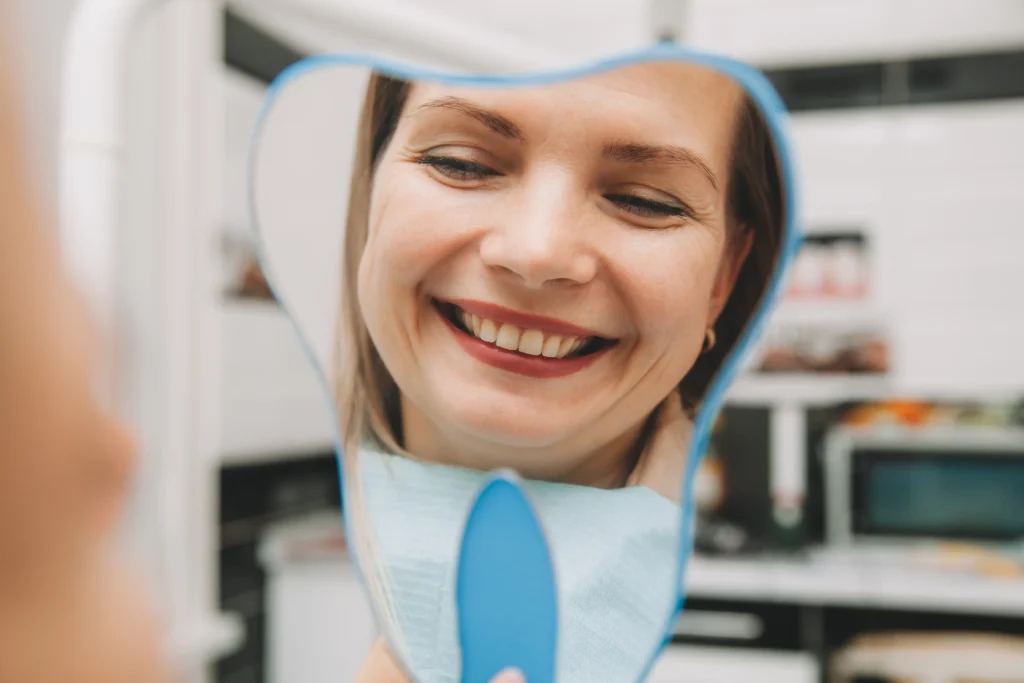
You’ve finally had your teeth whitened, your smile looks noticeably brighter, and you’re feeling pretty pleased every time you catch yourself in the mirror. Then the panic hits: “What now? What if I mess it up?”
Don’t worry – you’re not expected to live like a monk forever. But there are some important things to avoid after teeth whitening, especially in the first couple of days, if you want your results to last. This London-focused patient guide walks you through what to steer clear of, why it matters, and how to build simple habits that protect your new smile.
Why Aftercare Matters So Much?
After professional teeth whitening, the enamel’s microscopic “pores” are more open than usual. For roughly 24–48 hours, your teeth are more prone to absorbing stains from what you eat and drink. If you ignore aftercare and go straight back to dark coffees, curries, and fizzy drinks, you can:
- Dull your results far sooner than you’d like.
- Create patchy or uneven staining.
- Increase sensitivity or irritation.
So understanding what to avoid after teeth whitening isn’t just fussy extra advice – it’s a big part of protecting the time and money you’ve just invested in your smile.
The “White Diet”: What to Avoid in the First 48 Hours
Many London dentists talk about a short-term “white diet” after treatment. The idea is simple: if it would stain a white T-shirt, it can probably stain freshly whitened teeth.
1. Dark-Coloured Drinks
For at least the first 24–48 hours after whitening, avoid:
- Coffee and tea.
- Red wine.
- Cola and dark fizzy drinks.
- Blackcurrant or berry juices.
- Strongly coloured sports or energy drinks.
If you absolutely must have something, ask your dentist first. Some patients are advised to use a straw later on. But in the immediate window after treatment, it’s often better just to skip staining drinks altogether.
2. Highly Pigmented Foods
Try to avoid foods that are richly coloured or likely to cling to the enamel, including:
- Curries (especially with turmeric).
- Tomato-based sauces.
- Soy sauce and balsamic vinegar.
- Beetroot, spinach, and dark leafy veg.
- Berries (blueberries, blackberries, raspberries).
- Dark chocolate and coloured sweets.
Instead, lean on pale options – chicken, white fish, plain pasta, mashed potatoes, white rice, yoghurt – for those first couple of days. It’s not glamorous, but it hugely reduces the risk of fresh staining.
3. Very Acidic Foods & Drinks
Strong acids can temporarily soften enamel, and when your teeth are already a little more sensitive post-whitening, that’s not ideal. Try to avoid:
- Citrus fruits and juices (orange, lemon, grapefruit).
- Vinegar-heavy dressings and pickles.
- Fizzy drinks (including “clear” ones – they’re still acidic).
If you do have something acidic a bit later on, rinsing with plain water afterwards is a simple way to be kinder to your teeth.
Smoking, Vaping, and Nicotine Stains
If you’re serious about protecting your whitening, smoking and vaping are some of the biggest things to avoid after teeth whitening. Tobacco and some vape liquids can:
- Rapidly re-stain the enamel.
- Dry out your mouth, making it easier for stains to cling.
- Increase your risk of gum disease and oral cancer.
Many dentists actually encourage patients to use whitening as a fresh start to cut down or quit altogether. If stopping entirely feels like a big leap, talk to your dentist or GP about support options – it’s good for your health and your smile.
Don’t Overbrush or “Scrub” Your New Smile
It’s tempting to think, “I’ll just brush extra hard and keep them white forever.” Sadly, that’s not how it works. Things to avoid after teeth whitening when it comes to brushing:
- Brushing aggressively or with a hard-bristled brush.
- Using highly abrasive “smoker’s” or whitening pastes.
- Brushing immediately after an acidic drink or snack.
Overbrushing can wear away enamel over time and worsen sensitivity. Follow NHS guidance, which suggests using fluoride toothpaste with a soft-bristle brush in circular movements.
Avoid DIY Whitening Hacks (Especially Right After Treatment)
You may have seen today, TikTok and Instagram are full of videos of whitening tricks using:
- Baking soda or salt.
- Lemon juice or apple cider vinegar.
- Hydrogen peroxide solutions bought online.
- Activated charcoal powders.
These may look dramatic in videos, but they can be abrasive or excessively acidic, and using them on freshly whitened teeth is one of the worst things you can do.
Professional whitening in London is carefully regulated and uses controlled concentrations of bleaching agents under dental supervision. DIY shortcuts, on the other hand, can damage enamel and irritate gums – especially when your mouth is already a bit more sensitive. Ask your dentist if you’re unsure whether a product is safe, rather than trusting a viral trend.
Alcohol, Mouthwash, and Drying Products
You don’t have to cut alcohol out of your life forever after whitening. But it’s wise to be cautious, particularly in the first couple of days. Try to avoid:
- Deeply coloured alcoholic drinks like red wine.
- Brightly coloured cocktails and mixers.
- Alcohol-based mouthwashes can dry the mouth out.
A dry mouth makes it easier for stains to stick and can increase sensitivity. If you use mouthwash, your dentist may recommend an alcohol-free formula and might even suggest pausing it very briefly after treatment.
Hot, Cold, and Very Sweet Foods
Freshly whitened teeth can be a bit more reactive to temperature and sweetness. Common triggers include:
- Very hot tea or coffee.
- Ice-cold drinks or ice cubes.
- Extremely cold desserts (straight-from-freezer ice cream, frozen yoghurt).
- Sticky, sugary treats that cling to tooth surfaces.
You don’t necessarily need to avoid these completely for weeks, but:
- Let hot drinks cool a little.
- Avoid crunching ice.
- Have sweet treats with meals rather than constantly snacking.
If you already had sensitive teeth before, your dentist may have prepared you for this and suggested specific aftercare products.
Ignoring Your Dentist’s Instructions
One of the most underrated things to avoid after teeth whitening?
Ignoring the advice you were given at the clinic. Your London dentist or hygienist will often give you:
- Written aftercare instructions.
- Specific foods and drinks to avoid in the first 24–48 hours.
- Products to use (or avoid) if you get sensitivity.
- A recommended schedule for top-up treatments.
Skipping or “half-following” these instructions is an easy way to shorten your results or make yourself unnecessarily uncomfortable. Professional guidance is based on clinical experience and research, not guesswork.
Long-Term Habits to Avoid After Teeth Whitening
Once you’ve passed the initial 48-hour window, life becomes more flexible again – but certain habits will still undo your whitening faster than you might like.
1. Constant Sipping of Staining Drinks
Having one coffee with breakfast is different from sipping coffee, tea, or cola all day at your desk. The more often your teeth are bathed in staining liquids, the quicker they’ll darken again. A more “smile-friendly” approach:
- Drink staining beverages with meals rather than between.
- Rinse with water afterwards.
- Consider a reusable straw once your dentist says it’s okay.
2. Skipping Hygiene Appointments
Plaque, tartar, and surface stains build up gradually. If you skip your scale and polish or hygiene visits, your teeth will look duller regardless of whitening. Good oral hygiene and regular professional cleaning are key to maintaining results.
3. Over-Whitening Without Guidance
Top-up whitening is normal – most patients will need occasional refreshers. However, repeatedly whitening with strong gels without advice can increase sensitivity and may irritate gums.
Stick to the schedule your dentist recommends and always let them know if you’re thinking of whitening.
When to Call Your Dentist
Most people experience only mild, temporary sensitivity or slight gum irritation after whitening. You should immediately contact your dentist if you notice:
- Severe, throbbing pain that doesn’t settle.
- Blistering or significant burns on the gums, lips, or cheeks.
- Swelling or bleeding.
- Infection signs.
- Uneven colour that doesn’t improve after the full course.
These issues are rare when whitening is done by a qualified dentist. But it’s always better to get checked than to hope it settles.
Quick Recap: What to Avoid After Teeth Whitening?
This quick checklist will help you know what to avoid after teeth whitening, especially in the early days:
In the first 24–48 hours:
- Dark drinks: coffee, tea, red wine, cola, dark juices.
- Strongly coloured foods: curries, tomato sauces, soy sauce, berries, beetroot.
- Acidic foods and drinks: citrus, vinegar-heavy dressings, and fizzy drinks.
- Smoking and vaping.
- Harsh brushing, abrasive pastes, and DIY whitening hacks.
- Alcohol-based mouthwash and very hot or icy foods.
Long term:
- Constant grazing on staining foods and drinks.
- Heavy smoking or vaping.
- Skipping hygiene appointments.
- Repeated, unsupervised whitening.
Follow your dentist’s guidance, keep an eye on your habits, and your brighter smile should last significantly longer.